



Dry, irritated eyes are more than just a temporary annoyance. If you constantly feel like there is something in your eye, experience burning or stinging, or find yourself reaching for eye drops throughout the day, you may be dealing with chronic dry eye.
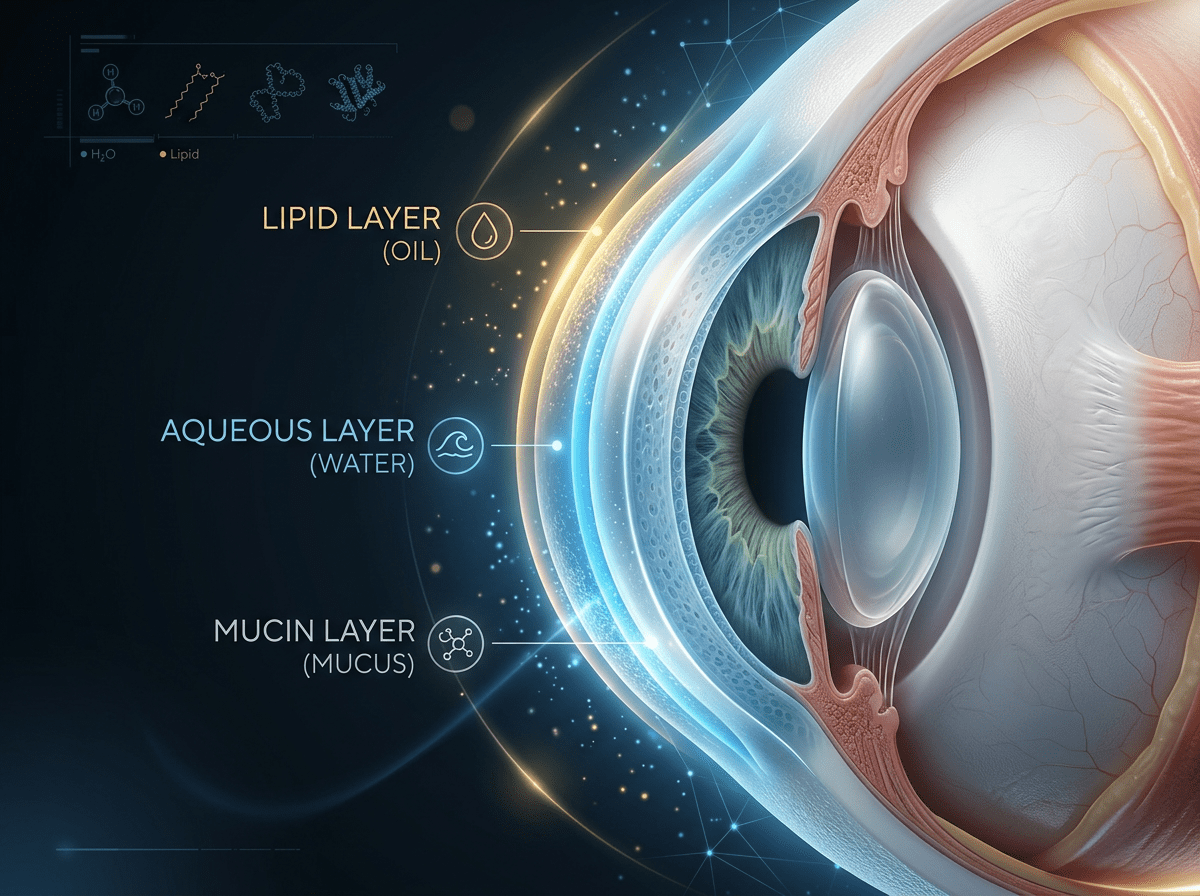
Many people assume dry eyes simply mean they are not producing enough tears. However, healthy eyes depend on a complex tear system that includes water, oils, mucus, and proper eyelid function. When any part of this system becomes disrupted, your eyes may struggle to stay properly lubricated.
At Contemporary Eye Care in Katy, TX, we help patients identify the underlying causes of dry eye and create personalized treatment plans designed to improve comfort, vision, and overall eye health.
What Is Dry Eye?
Dry eye occurs when your eyes do not have enough quality tears to properly lubricate and protect the surface of your eyes.
Your tears are responsible for more than keeping your eyes wet. They provide nutrients, protect against infection, smooth the surface of the eye for clear vision, and keep your eyes comfortable throughout the day.
When your tear film becomes unstable, you may experience symptoms such as:
- Burning or stinging eyes
- A gritty or sandy feeling
- Redness
- Watery eyes
- Blurred or fluctuating vision
- Sensitivity to light
- Eye fatigue
- Difficulty wearing contact lenses
- Feeling like something is stuck in your eye
One of the most frustrating things about dry eye is that symptoms can vary. Some people experience constant discomfort, while others only notice problems after long periods of screen use, wearing contacts, or spending time in dry environments.
Why Are My Eyes Always Dry? 7 Common Causes
If you find yourself constantly asking, “Why are my eyes always dry?” the answer may be related to one of these common causes.
1. Meibomian Gland Dysfunction (MGD)
One of the most common causes of chronic dry eye is a condition called Meibomian Gland Dysfunction, or MGD.
Your Meibomian glands are tiny glands located in your eyelids that produce the oily layer of your tears. This oil helps prevent your tears from evaporating too quickly.
When these glands become blocked or stop functioning properly, your tears may evaporate faster than they should, leaving your eyes dry and irritated.
Signs of MGD may include:
- Burning or irritation
- Fluctuating vision
- Contact lens discomfort
- Crustiness around the eyelids
- Symptoms that worsen throughout the day
Many patients with MGD have tried artificial tears without long-term relief because the underlying issue is not a lack of water in the eyes. It is a problem with tear quality.

2. Too Much Screen Time
Digital devices have changed how we use our eyes every day. Computers, smartphones, tablets, and televisions can all contribute to dry eye symptoms.
When you focus on a screen, you naturally blink less often. Blinking helps spread fresh tears across the surface of your eyes and keeps them comfortable.
Reduced blinking can lead to:
- Faster tear evaporation
- Eye strain
- Burning sensations
- Blurry vision
- Increased dryness by the end of the day
If you spend several hours a day looking at screens, following the 20-20-20 rule can help:
Every 20 minutes, look at something 20 feet away for at least 20 seconds.
However, if your symptoms continue despite making lifestyle changes, a professional dry eye evaluation can help identify whether there is another underlying issue.
3. Contact Lens Wear
Contact lenses can be a great option for vision correction, but some people experience dryness or discomfort while wearing them.
Contacts sit directly on the surface of your eye and can affect how tears move across your cornea. If your eyes are already struggling with tear quality, wearing contacts may make symptoms more noticeable.
Common complaints include:
- Contacts feeling dry after a few hours
- Needing to remove lenses earlier than expected
- Blurry vision while wearing contacts
- Feeling like your lenses are sticking to your eyes
If traditional contact lenses are no longer comfortable, specialty contact lenses may be an option for certain patients.
4. Environmental Factors
Your surroundings can have a major impact on your eyes.
Dry eye symptoms may become worse due to:
- Air conditioning
- Ceiling fans
- Windy weather
- Low humidity
- Smoke exposure
- Allergens
Living in Katy, TX means many patients experience environmental triggers, especially during hot summer months when air conditioning use increases and outdoor allergens can affect eye comfort.
5. Aging and Hormonal Changes
As we age, our eyes naturally produce fewer tears and tear quality can change.
Hormonal changes can also affect tear production and stability. This is why dry eye symptoms are especially common among women experiencing hormonal fluctuations.
However, dry eye is not just an issue for older adults. Younger patients, including those who spend significant time on digital devices or wear contacts, can experience chronic symptoms as well.
6. Certain Medications
Some medications can contribute to dry eye symptoms by reducing tear production or affecting tear quality.
Common medications associated with dry eye may include:
- Allergy medications
- Certain blood pressure medications
- Some antidepressants
- Acne medications
- Decongestants
If you recently started a medication and noticed changes in your eyes, it is worth discussing your symptoms with your eye doctor.
7. Underlying Eye Conditions
Sometimes chronic dry eye is connected to another eye condition that requires specialized care.
Conditions that may be associated with dry eye include:
- Blepharitis
- Meibomian gland dysfunction
- Autoimmune conditions
- Corneal irregularities
- Previous eye surgery
A comprehensive eye exam can help determine whether your dry eye symptoms are caused by a simple tear imbalance or something more complex.
Why Artificial Tears May Not Be Fixing Your Dry Eyes
Many patients try over-the-counter eye drops before scheduling an eye exam. While artificial tears can provide temporary relief, they often do not address the root cause of chronic dry eye.
If your eyes are consistently dry, you may need a more comprehensive evaluation that looks at:
- Tear production
- Tear quality
- Meibomian gland function
- Eyelid health
- Corneal health
- Lifestyle factors
The goal of dry eye treatment is not just to temporarily relieve symptoms. It is to understand why your eyes are dry and create a plan that improves long-term comfort.
When Should You See an Eye Doctor for Dry Eyes?
You should consider scheduling a dry eye evaluation if you experience:
- Daily eye discomfort
- Persistent redness
- Difficulty wearing contacts
- Frequent use of eye drops
- Blurry vision that comes and goes
- Symptoms that interfere with work or daily activities
Dry eye is a medical condition, and getting the right diagnosis can make a significant difference in your quality of life.
Dry Eye Treatment in Katy, TX
If you are constantly wondering, “Why are my eyes always dry?” the answer may be more complex than simply needing eye drops.
At Contemporary Eye Care, we provide comprehensive eye evaluations to determine the cause of your dry eye symptoms and recommend personalized treatment options.
Whether your symptoms are caused by screen time, contact lenses, Meibomian gland dysfunction, environmental factors, or another underlying condition, our team can help you find a solution.
If dry, irritated eyes are affecting your daily life, schedule an appointment with Contemporary Eye Care in Katy, TX to take the first step toward healthier, more comfortable eyes.
Frequently Asked Questions About Dry Eye
Can dry eye cause blurry vision?
Yes. When your tear film is unstable, it can affect how light enters your eye and cause vision to appear blurry or fluctuate throughout the day.
Why do my eyes water if they are dry?
It may seem surprising, but watery eyes can actually be a symptom of dry eye. When your eyes become irritated, your body may produce extra emergency tears that do not properly lubricate the eye.
Can dry eye be cured?
Dry eye is often a chronic condition, but symptoms can usually be managed effectively with the right treatment plan. The best approach depends on the underlying cause.
How often should I use artificial tears?
The frequency depends on your symptoms and the type of eye drops you are using. If you need drops frequently throughout the day, it may be a sign that you need a more comprehensive dry eye evaluation.
What is the best treatment for chronic dry eye?
The best treatment depends on what is causing your dry eye. Options may include lifestyle changes, prescription treatments, in-office therapies, eyelid treatments, or specialty contact lenses.