


As we get older, many of us begin noticing a change in our near vision. This common condition is called Presbyopia, and it usually starts around age 40. It happens when the natural lens in your eye becomes less flexible, making it harder to focus on close-up tasks like reading a menu, scrolling through your phone, or working on detailed projects, which is why proper presbyopia correction becomes increasingly important.
If you’ve noticed that you’re holding books or devices farther away to see clearly, you’re not alone. The good news is that there are effective ways to manage presbyopia treatment, including glasses with Progressive Addition Lenses (PALs), often referred to as progressive lenses for presbyopia, or multifocal contact lenses. In this blog, we’ll walk you through what these options are, how they work, and which might be right for you.
Understanding Presbyopia
Presbyopia isn’t a disease, it’s a natural part of aging. Over time, the lens in your eye loses flexibility, which reduces its ability to focus on near objects, making presbyopia correction necessary for many adults. Common symptoms include blurred vision at close range, eye strain, headaches, and difficulty seeing small print.
If you’re experiencing these signs, it’s important to get a comprehensive eye exam. The team at Contemporary Eye Care can evaluate your vision and recommend the best presbyopia treatment based on your lifestyle and visual needs.
For more general information on presbyopia, resources like Mayo Clinic provide helpful guides on symptoms and treatment options.
Progressive Addition Lenses (PALs)
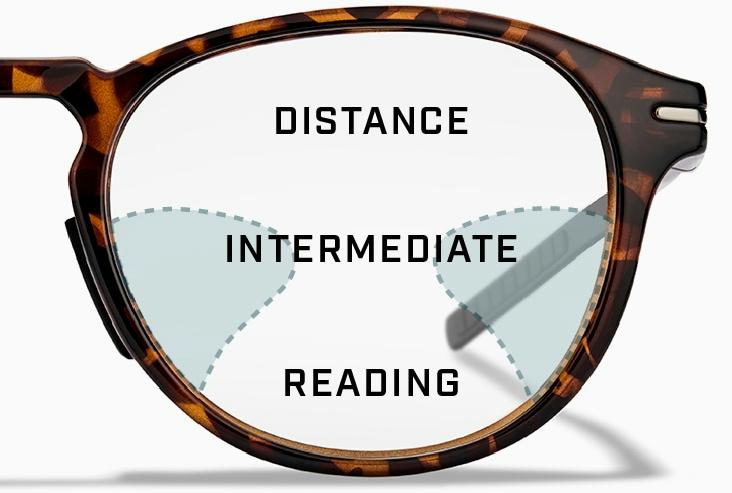
One of the most popular solutions for presbyopia is Progressive Addition Lenses. These glasses, commonly known as progressive lenses for presbyopia, provide seamless vision at multiple distances without the visible lines of traditional bifocals or trifocals.
The top of the lens is optimized for distance vision, the middle for intermediate tasks like computer work, and the bottom for reading and other close-up tasks. Many of our patients enjoy PALs because they provide all-in-one vision, a modern appearance without distracting lines, and smooth visual transitions that support comfortable presbyopia correction throughout the day.
- All-in-one vision: No need for multiple pairs of glasses.
- A modern appearance: No distracting bifocal lines. (Healthline)
- Smooth visual transition: Gradual changes reduce eye strain and make daily tasks easier.
It’s worth noting that there may be a short adjustment period as your eyes get used to the new lenses. Peripheral vision might feel slightly off at first, but most people adapt quickly. Progressive lenses are a long-term investment that replaces the need for multiple pairs of glasses.
Multifocal Contact Lenses
If you prefer a glasses-free lifestyle, multifocal contact lenses are an excellent alternative for managing presbyopia treatment. These lenses are designed to provide near, intermediate, and distance vision all in one lens, making them a flexible option for daily activities. Some patients also consider monovision correction, where one eye is corrected for distance and the other for near vision.
Benefits of multifocal contacts include:
- Freedom from glasses: Perfect for sports or an active lifestyle.
- Flexibility: The lens design allows your eyes and brain to select the appropriate focus for each task. (Optometrists.org)
- Customizable options: Lens types and designs can be tailored for comfort and visual clarity.
Considerations include a short adaptation period, occasional glare or blur, and the need for a proper eye exam and fitting to ensure comfort. Conditions like dry eye or irregular corneas may affect suitability, so it’s important to consult with a qualified eye care professional. (Healthline)
Other Treatment Options
While glasses and contact lenses remain the most common presbyopia treatment, surgical options such as lens replacement surgery may be available for certain patients seeking longer-term solutions:
- Lens replacement surgery, which involves replacing the eye’s natural lens with a multifocal or accommodating intraocular lens.
These options may be suitable for certain patients but typically carry more risk. For most people, starting with glasses or contact lenses is the safest and most flexible approach.
Choosing the Right Solution for You
The right solution depends on your daily activities, comfort preferences, and eye health. Consider:
- How often do you read or work on computers?
- Are you active or prefer to avoid glasses?
- Do you have any pre-existing eye conditions?
The expert team at Contemporary Eye Care can guide you through your options and recommend lenses tailored to your vision and lifestyle.
Tips for Managing Presbyopia
- Schedule regular eye exams to monitor changes in your vision.
- Choose lenses or contacts suited to your daily tasks.
- Follow care instructions for contacts and glasses to maximize comfort.
- Make sure your reading or work areas are well-lit to reduce eye strain.
Conclusion
Presbyopia is a natural part of aging, but it doesn’t have to limit your daily life. With modern presbyopia treatment options like progressive lenses and multifocal contacts, you can continue reading, working, and enjoying life with clear vision at all distances.If you’re ready to explore your options, schedule an appointment with Contemporary Eye Care to determine the best solution for your vision needs. With the right lenses, you can continue reading, working, and enjoying life with clear vision at all distances.