


If your child’s eye doctor recently mentioned that their prescription keeps getting stronger everyyear, you are not alone. Myopia (nearsightedness) in children is expanding rapidly across theglobe. Standard glasses and standard contact lenses correct blurry distant vision, but they donot slow down the underlying growth of the eyeball, which is the primary cause of progressivemyopia.
Modern myopia management shifts the focus from temporary vision correction to activelyslowing down axial elongation (eyeball growth) to safeguard long-term eye health.
Key Takeaways
- Target Eye Growth: Effective myopia control targets axial elongation (the physicallengthening of the eyeball), reducing long-term risks for eye diseases like glaucoma ormacular degeneration.
- Four Leading Options: Evidence-based treatments include Stellest lenses (spectacles),Ortho-K (overnight contacts), Multifocal Contacts (daytime soft lenses), and Low-DoseAtropine (nightly eye drops).
- Combination Potential: Optical treatments (lenses) and pharmacological options(drops) can be combined for fast progressors under an eye care professional’s guidance.
- Early Action: Starting treatment early provides the highest protective benefit duringactive childhood growth years.
What Is Myopia Management?
Myopia management consists of evidence-based clinical protocols designed to slow prescriptionprogression and limit axial elongation in children. By altering how light focuses on the retina,specialized optical devices and pharmacological therapies send biological signals to the eye toregulate its growth rate.
1. Stellest Lenses (Myopia Control Glasses)
- How It Works: Lenses like Essilor® Stellest® use highly aspherical lenslet technology. While the central area provides clear distance vision, tiny surrounding lenslets create a volume of signal in front of the retina that slows down eye elongation.
- Effectiveness: Clinical trials demonstrate that Stellest lenses slow myopia progression by roughly 67% to 71% compared to standard single-vision glasses when worn consistently.
- Best Candidate: Younger children, kids hesitant about contact lenses, or families seeking a low-maintenance daily routine.
2. Orthokeratology (Ortho-K)
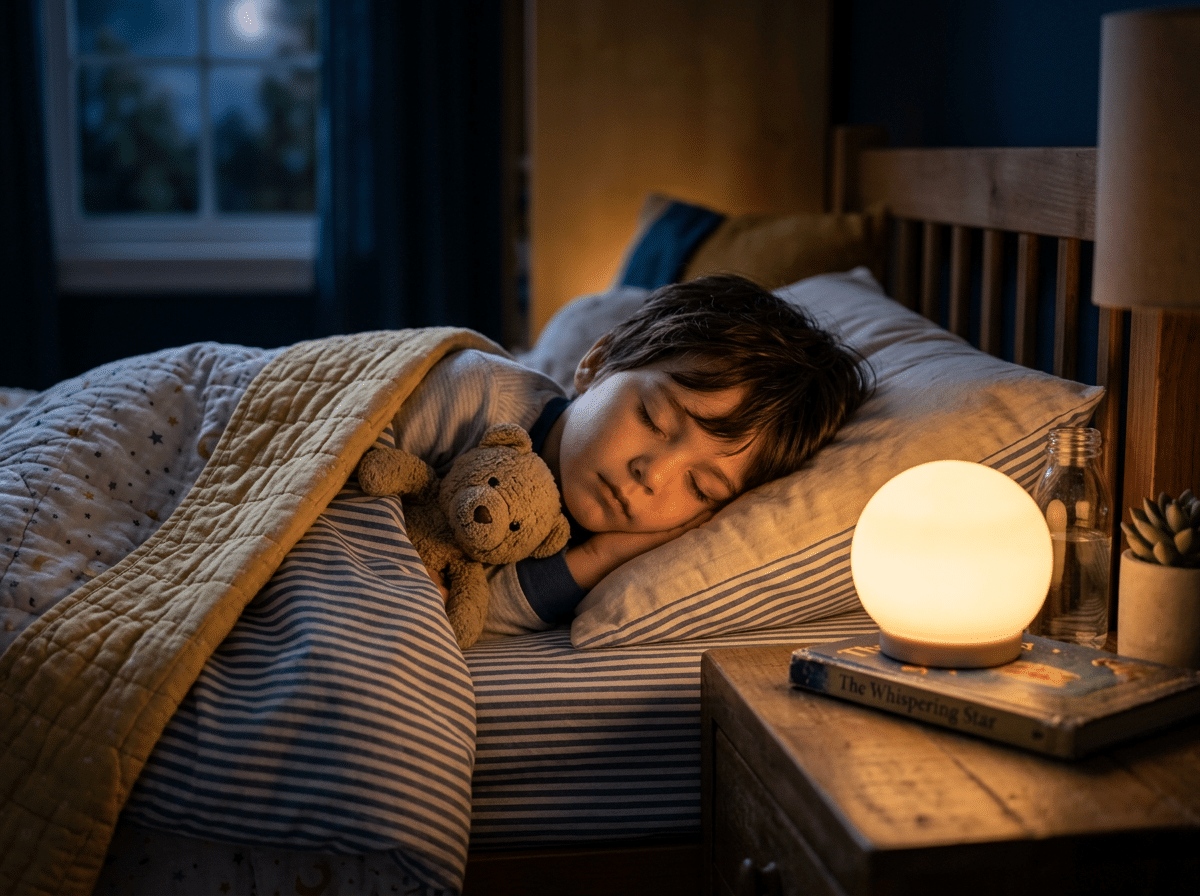
Orthokeratology utilizes custom-designed, gas-permeable contact lenses worn exclusively while sleeping.- How It Works: Overnight, Ortho-K lenses gently reshape the front surface of the cornea. In the morning, the child removes the lenses and enjoys clear, sharp vision all day without needing glasses or contact lenses during school, sports, or swimming.
- Effectiveness: Studies show Ortho-K consistently slows myopic progression by 36% to 56% while offering full daytime visual freedom.
- Best Candidate: Active kids, young athletes, swimmers, or children who dislike wearing vision correction during daytime activities.
3. Multifocal Contact Lenses
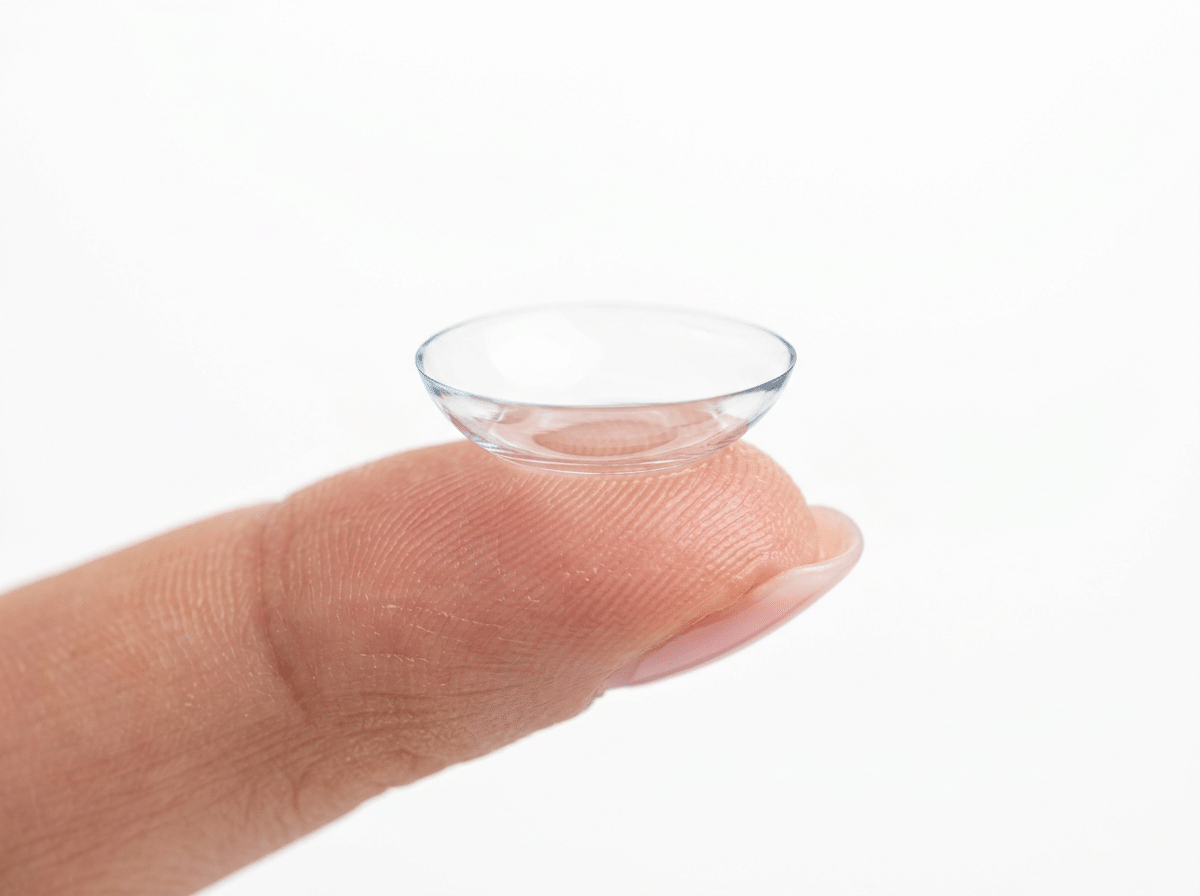
Soft multifocal daytime contact lenses (such as FDA-approved MiSight® 1 day) combine clear vision with built-in treatment zones.- How It Works: These lenses feature concentric rings alternating between distance correction and treatment zones. This pattern alters how light hits the peripheral retina, signaling the eye to slow its growth rate.
- Effectiveness: Clinical data shows single-use, daily disposable multifocal contact lenses reduce prescription progression by approximately 59% and axial elongation by 52%.
- Best Candidate: School-aged children ready for independent lens handling and families who prefer the hygiene of daily disposable lenses.
4. Low-Dose Atropine Eye Drops
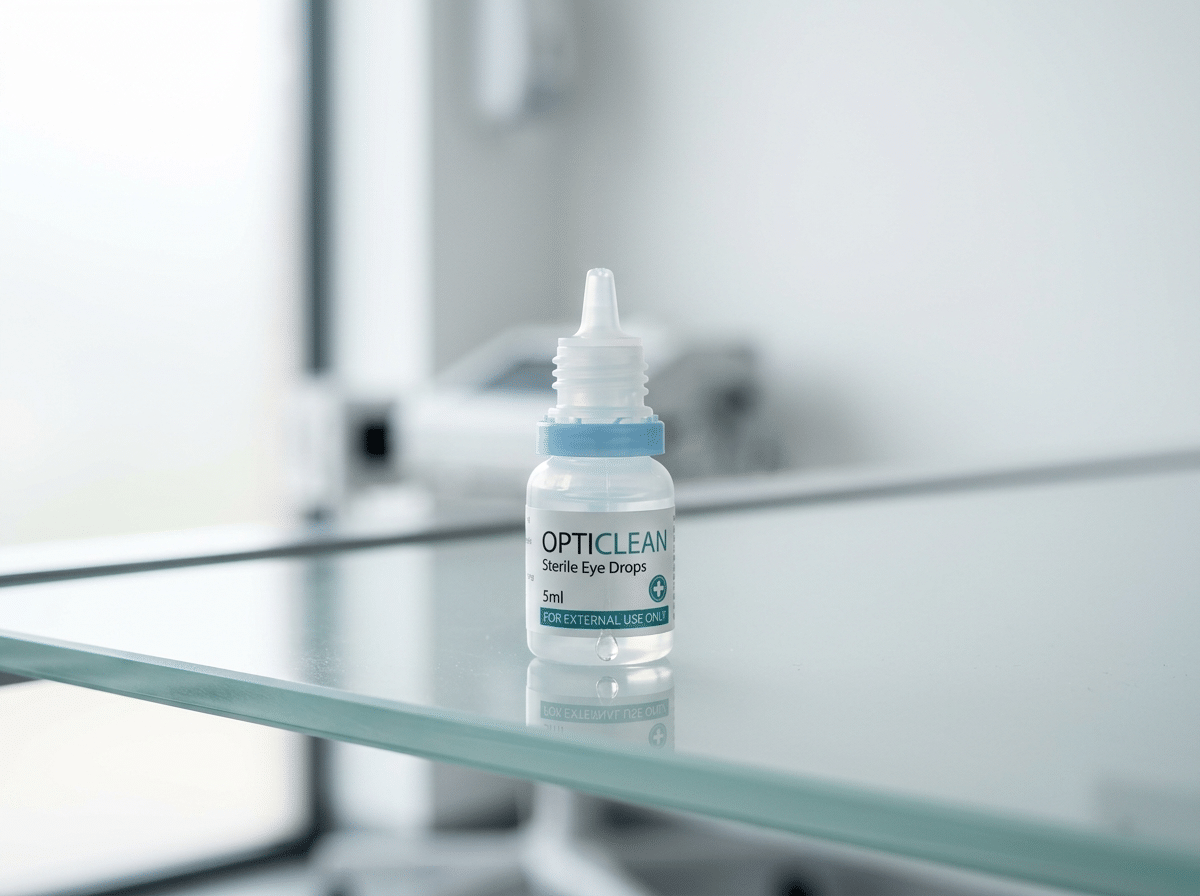
Atropine drops offer a non-optical, pharmacological approach to managing myopia progression.- How It Works: Formulated by a compounding pharmacy in low concentrations (typically 0.01% to 0.05%), a single eye drop is administered in each eye at bedtime to slow progressive elongation of the eye.
- Effectiveness: Low-dose atropine significantly reduces myopic shift with minimal side effects compared to higher concentrations, making it a flexible option.
- Best Candidate: Children who wear standard glasses, kids who prefer not to wear specialized contacts, or as a dual therapy for fast progressors.
Myopia Treatment Comparison Table
| Treatment Option | Daily Format | Daytime Vision Correction Included? | Primary Benefit |
|---|---|---|---|
| Stellest Lenses | Eyeglasses | Yes | Non-invasive, easy compliance for all ages |
| Ortho-K | Overnight Lenses | Yes (no correction needed during daytime) | Complete daytime freedom from glasses and contacts |
| Multifocal Contacts | Soft Daily Lenses | Yes | Convenient daily disposable hygiene |
| Atropine Drops | Bedtime Eye Drops | No (worn with backup glasses or contacts) | Easy nightly application, highly flexible |
Frequently Asked Questions About Myopia Control
What causes rapid myopia progression in children?
Rapid myopia progression is primarily caused by axial elongation, where the eyeball grows too long from front to back. Genetics, limited outdoor time, and prolonged close-up work contribute to this rapid growth.Can standard glasses slow down myopia?
No. Standard single-vision glasses only correct blurry distance vision. They do not send the necessary optical signals to slow down axial length growth.Which myopia treatment is the most effective?
Effectiveness depends on consistent wear and individual patient response. Stellest lenses, Ortho-K, daily multifocal contacts, and low-dose atropine all show proven success rates ranging from 35% to over 70% in slowing progression.What Is Next in Our Myopia Series?
Choosing the right option depends on your child’s age, lifestyle, prescription, and comfort level. Over the coming weeks, we will break down each option in a detailed deep dive:- Deep Dive: Stellest Lenses (How highly aspherical lenslets work and what to expect during fitting)
- Deep Dive: Ortho-K (The step-by-step fitting process, care routine, and safety profile for overnight wear)
- Deep Dive: Soft Multifocal Contacts (Teaching kids contact lens safety, hygiene, and daily care routines)
- Deep Dive: Low-Dose Atropine Drops (Examining concentrations, dual-therapy options, and long-term results)